MUSCLE JOINT BONE / EPPING CLINIC
Exercise Rehabilitation for Mill Park Residents
What would you like to find easier: getting up from a chair, managing stairs, carrying shopping or restarting a favourite activity? A useful rehabilitation goal starts with something that matters to you. Muscle Joint Bone provides physiotherapy exercise rehabilitation for Mill Park residents at its clinic at 26 Childs Road, Epping VIC 3076.
Your physiotherapist assesses your concern before recommending a program. Exercise choices depend on your symptoms, movement, health history and any restrictions, including instructions after surgery.
Choose a starting point you can repeat
Tell your physiotherapist what you currently manage and where things become difficult. Describing a real task is often helpful: how long you walk before needing a break, which part of a movement is uncomfortable or what limits your usual work.
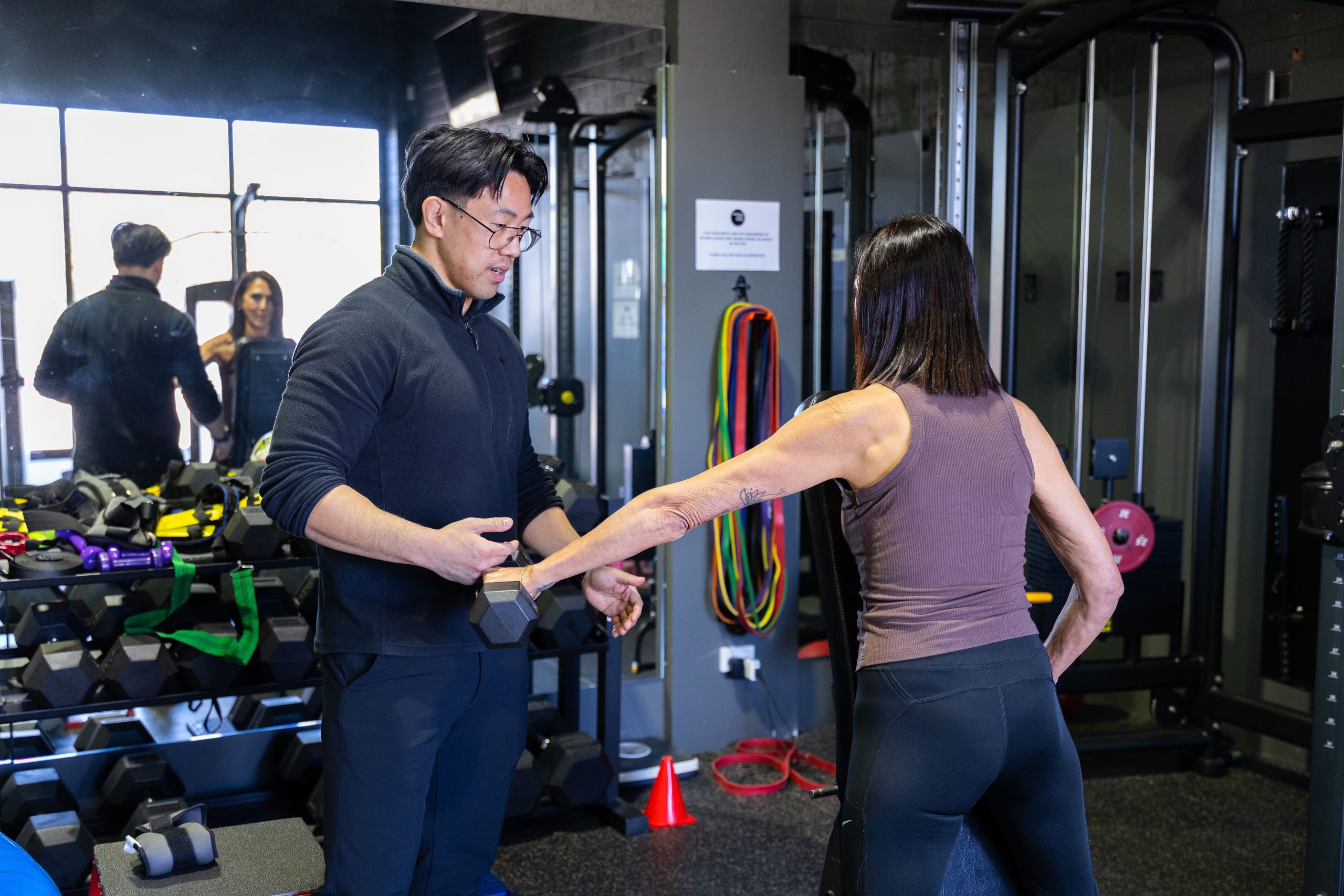
Assessment can help establish a starting level and a way to review progress. Ask what each prescribed exercise is intended to address and practise the technique during your appointment so you can clarify anything that feels uncertain.
Make the plan fit your surroundings
You may be exercising at home, using equipment you already own or incorporating rehabilitation into an existing gym routine. Discuss your space, time and equipment before a program is set. The plan should explain the amount to do, how often and how to respond if symptoms change.
Depending on your needs, rehabilitation may involve mobility, strength, balance or practice of everyday tasks. These are options to discuss after assessment, not a checklist everyone must complete. Your physiotherapist may combine exercise with education or other treatment.
Leave with a plan you understand
Use these questions during your appointment and keep the answers with your exercise instructions. They help make the plan practical without assuming that everyone needs the same exercises or dose.
| Ask about | What to write down |
|---|---|
| The purpose | The everyday task or movement this exercise is intended to help. |
| The starting amount | Your prescribed repetitions, sets, frequency and any equipment needed. |
| Your response | What to monitor during the session and afterwards, and when to contact the clinician. |
| The next step | How and when the plan will be reviewed before changing the difficulty. |
Review useful changes, not just repetitions
At follow-up, describe how the program went and whether the tasks you care about have changed. Your clinician can review technique, symptoms and relevant movement or strength. Progress might involve a different exercise, added resistance, a longer activity period or a change in complexity.
If work, fatigue or caring responsibilities make the program difficult to maintain, say so. Adjusting an unrealistic plan is more useful than leaving those barriers unexplained. New or worsening symptoms deserve advice; do not assume that pushing harder is the next step.
Muscle soreness after exercise: what should I report?
Delayed muscle soreness can follow unfamiliar or more demanding exercise. Tell your physiotherapist when it began, which areas are affected, how long it lasts and whether ordinary tasks have become difficult. Soreness alone is not a useful target for deciding whether a session was successful.
Do not assume every painful response is normal exercise soreness. Severe, persistent or unexplained muscle pain needs medical advice, particularly if it affects daily life. Discuss the next session’s amount and difficulty before increasing the program. The aim is a plan you can repeat and review, not a requirement to push through worsening symptoms.
Would Clinical Pilates suit my rehabilitation?
Clinical Pilates is one option to discuss after assessment. MJB Epping offers an individual starting assessment and small group exercise sessions. Your practitioner can help decide whether this format or another exercise plan fits your goals and any restrictions. Read our Clinical Pilates guide for the current service and booking details.
If you are rebuilding running after a strain, our hamstring injury guide explains questions about strength progression and return to activity.
Exercise rehabilitation questions
Do I need to join a gym?
Explain what you have available. Your physiotherapist can discuss suitable options for your circumstances. Ask reception about the format and cost of any supervised sessions before committing to them.
Can I use the same program after an operation?
Surgery may introduce specific restrictions. Follow your surgical team’s instructions and arrange an assessment before changing your rehabilitation. Our post-surgical rehabilitation guide explains what to bring.
For activity-specific goals, see sports physiotherapy. You can also review our services, fees and referral questions, and your first appointment.
Arrange a physiotherapy assessment or call 03 9088 8228. Contact reception for Epping clinic details.